
Last updated:
Understanding Andros Best Time To Visit
Andros is the The Bahamas' largest island and one of the most pristine destinations in the Caribbean. Deciding when to visit Andros best time to visit depends on your interests and budget. This island offers world-class diving, excellent fishing, and quiet beaches year-round. The climate here stays warm and tropical throughout most of the year.
Andros sits at coordinates 24.7 north and 77.7833 west in the Atlantic Ocean. The island covers 5,957 square kilometers and has a population of just 7,800 people. This means you'll find plenty of space and solitude during your visit. The official language is English, making travel easy for American and British visitors.
The Bahamian dollar is the local currency, though US dollars work almost everywhere. Most travelers fly into San Andros Airport for convenient access. You won't need a visa for entry if you hold a US, UK, Canadian, or most European passport. Check your specific passport requirements before booking your trip.
Andros Weather by Month
Andros experiences a subtropical climate with warm temperatures year-round. Summer months run from May through October and bring heat and humidity. Winter months from November through April offer cooler, drier conditions. The average temperature across the year is 26.5°C, though this varies by season.
November through April: These months feature mild temperatures between 20 and 24°C during the day. Humidity levels drop significantly compared to summer. Rain becomes much less frequent. Trade winds blow steadily from the northeast, making these ideal months for most activities.
May through October: Summer heat pushes temperatures to 28 to 30°C regularly. Humidity increases noticeably during these months. Afternoon thunderstorms become common, especially in August and September. Hurricane season runs officially from June through November, with peak activity in September.
December and January: These months deliver the coolest temperatures of the year. Highs reach around 23°C while lows drop to 17°C. Expect the most comfortable conditions for outdoor activities. Rainfall remains minimal during these winter months.
July and August: The hottest months bring temperatures near 30°C consistently. Humidity levels climb significantly. Brief afternoon rain showers cool things down most days. These months are less popular with visitors due to the heat and rain.
PRO TIP: Pack lightweight, breathable clothing regardless of season. Bring waterproof bags for your electronics during the wet months. Sunscreen is essential year-round, even on cloudy days.
Peak Season in Andros
Peak season runs from November through April when weather conditions are at their best. During these months, temperatures stay comfortable and rain rarely disrupts your plans. Most visitors arrive during this window, making it the busiest time on the island. Hotels fill quickly and prices climb compared to other seasons.
December and January bring the highest number of visitors escaping cold northern winters. Americans and Canadians make up the majority of tourists during these months. Spring breakers arrive in March and April, adding younger crowds to the island. Holiday weeks in December see the absolute highest occupancy rates.
The weather during peak season supports every activity the island offers. Divers enjoy excellent visibility in calm waters. Fishermen find perfect conditions for both bonefishing and deep-sea fishing. Beach days deliver sunny skies without oppressive heat. Morning temperatures hover around 20°C while afternoons reach 23 to 24°C.
Planning ahead is crucial during peak season. Reserve your accommodations months in advance, especially for December holidays. Book diving expeditions and fishing charters early. Many tour operators fill their schedules completely during these months. Prices for flights and hotels increase significantly during peak season.
Expect higher costs across the board during these months. Restaurant prices climb during peak season. Tour guides and charter boats charge premium rates. Accommodations may cost 30 to 50 percent more than shoulder season rates. Your vacation budget should reflect these seasonal increases.
PRO TIP: Book everything at least two to three months in advance for peak season travel. Use shoulder season for similar weather at better prices. Consider visiting in April when crowds begin thinning but weather remains excellent.
Shoulder Season: Best Value

Shoulder season includes May and October, the transitional months between peak and rainy seasons. Weather during these months remains quite pleasant, though slightly wetter than peak season. Prices drop noticeably compared to peak season, offering excellent value. Fewer tourists visit during these months, providing a quieter experience.
May offers warm days with temperatures around 27°C and manageable humidity. Occasional rain showers occur in the afternoons but don't last long. The water is warm and perfect for swimming and snorkeling. Visibility for diving remains good in May. Tourist crowds have mostly departed after spring break season.
October comes at the tail end of hurricane season, making it unpredictable. However, direct hurricane hits on Andros are rare. Most major storms pass south or north of the island. October temperatures climb to around 28°C with high humidity. Prices reach their lowest levels during October as many travelers avoid the season.
Shoulder season accommodations cost 20 to 40 percent less than peak season rates. Restaurant meals come at lower prices as well. Tour operators often negotiate better deals during slow periods. You'll find better deals on car rentals and boat charters. Flight prices drop when demand decreases.
The trade-off for lower prices is slightly less predictable weather. Rain becomes more frequent in May, though storms are usually brief. October carries a small hurricane risk, though direct hits are uncommon. You'll encounter fewer tourists and shorter wait times at attractions. Shoulder season works well for travelers flexible about weather.
Rainy Season in Andros
Rainy season spans from June through September and brings the highest rainfall of the year. Afternoon thunderstorms occur almost daily during peak rainy months. Temperatures climb into the high 20s and low 30s Celsius. Humidity becomes oppressive for many visitors. This period coincides with Atlantic hurricane season.
June and September are the transition months with moderate rainfall. Showers typically arrive in afternoons and last one to two hours. Mornings often stay dry and sunny, allowing for morning activities. Temperatures range from 27 to 28°C. These months are slightly better than July and August for weather.
July and August represent the absolute peak of rainy season. Daily afternoon storms are nearly guaranteed. Mornings clear and bright, then dark clouds roll in by early afternoon. Humidity reaches uncomfortable levels for most people. Temperatures hover around 30°C consistently. Rain falls on about 15 to 20 days each month.
Hurricane season officially runs from June through November, with September as the peak month. The The Bahamas sits south of the main hurricane track. Direct hits on Andros are uncommon but possible. Tropical storms and heavy rains occur several times per season. Most weather systems pass to the north or south.
Rainy season offers the cheapest accommodation rates of the entire year. Hotels may offer discounts of 50 percent or more compared to peak season. Few tourists visit during these months. You'll find empty beaches and short lines everywhere. Diving and fishing still happen during rainy season despite weather challenges.
Best Time To Visit Andros for Families
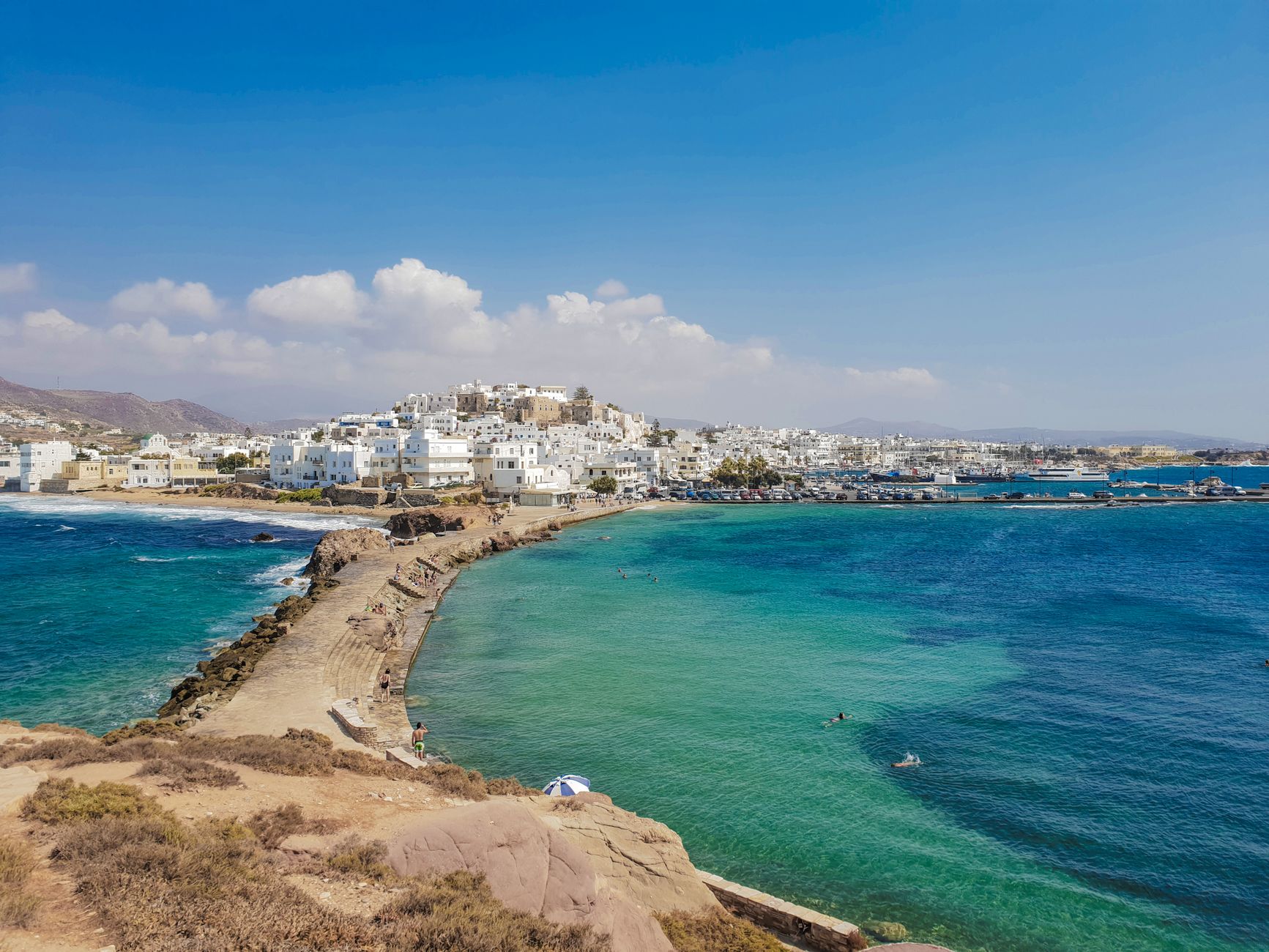
Families should plan visits during April through May or September through October. These months offer pleasant weather without extreme heat. School vacation schedules align with peak and shoulder seasons. Kids tolerate mild temperatures better than intense summer heat. Humidity stays manageable for young travelers.
April works particularly well for families because spring break overlaps with great weather. Schools release children for a week or two, perfect for a week-long island visit. Temperatures are warm but not oppressive at around 24°C. Rain is minimal, allowing daily beach activities. Spring break crowds exist but shoulder season pricing still applies in early April.
May is less crowded than April while maintaining excellent weather. Temperatures climb slightly to 27°C but remain comfortable. Kids enjoy warm water for swimming and snorkeling. Occasional afternoon showers don't derail beach plans. Budget-conscious families benefit from lower May prices. School schedules vary, so some families can travel without fighting crowds.
September and October present opposite challenges to summer travel. Weather is slightly wetter but not unbearable. Temperatures remain warm for beach activities. Accommodation prices drop significantly for budget-conscious families. Fewer tourists mean shorter lines and quieter beaches. School schedules may not align perfectly, but many families find flexibility.
Activities for families include beach days at locations like Nicholls Town beaches. Shallow coral reefs near shore allow safe snorkeling for children. Charter fishing boats offer family-friendly experiences for kids interested in fishing. Kayaking through mangrove forests appeals to adventurous kids. The quiet beaches mean fewer crowds and safer environments for families.
Pack plenty of sunscreen, hats, and protective clothing for kids. Bring entertainment for indoor days when rain occurs. Waterproof phone cases protect electronics in the humidity. Lightweight rain jackets work better than full umbrellas on windy days. Pack medications for motion sickness if kids get seasick easily.
PRO TIP: Visit during school spring break in April for ideal family conditions and established vacation schedules. Book family-friendly resorts that offer kids' activities and babysitting services. Rent a car to explore the island at your own pace with flexible timing.
Best Time To Visit Andros for Diving
Andros is world-renowned for scuba diving, with the famous Andros Barrier Reef offshore. This reef system is the third-longest in the world. Visibility underwater reaches 30 to 60 meters during optimal conditions. The reef hosts hundreds of fish species and countless coral formations. Divers from around the globe come specifically for Andros diving experiences.
November through April offers the best diving conditions of the year. Water visibility peaks during these months, sometimes exceeding 50 meters. Calm seas allow easier boat access to distant reef sites. Water temperature averages around 24°C, comfortable in a wetsuit. Fewer storms mean more consistent diving days. Multiple dives per day are standard during peak season.
December and January are the absolute best months for diving visibility. Clear skies mean excellent light reaching the reef. Trade winds are steady and predictable, making boat conditions reliable. Water remains calm with minimal surge or current. Dive sites ranging from shallow reefs to deep drop-offs are all accessible. Multiple charters depart daily from dive shops in Nicholls Town and San Andros.
March and April remain excellent for diving as water temperature climbs slightly. Visibility stays strong at 40 to 50 meters regularly. Wind patterns become more variable but rarely prevent diving. Spring break brings crowds to dive shops, so book early. Prices begin dropping in April as peak season ends. April is an underrated diving month with fewer crowds than winter.
May through October present diving challenges but still offer decent opportunities. Summer visibility drops to 20 to 40 meters due to plankton blooms. Afternoon storms frequently disrupt diving schedules. Rougher seas limit access to distant reef sites. Heat and humidity become intense between dives. Rainy season diving is possible but less reliable than winter months.
Dive operators in San Andros, Nicholls Town, and other settlements offer daily charters. Most charters depart early morning and return by afternoon. Two to three dives per day are typical for most operators. Equipment rental is available if you don't bring your own. Certification classes operate year-round at most dive shops.
The Andros Barrier Reef features wall dives dropping to 2,000 meters. Shallow reef dives work well for beginners and snorkelers. Drift dives take advantage of strong currents in certain locations. Night dives reveal nocturnal reef creatures and bioluminescent organisms. Wreck dives explore several shipwrecks in deeper waters.
PRO TIP: Plan your diving trip for December or January for guaranteed excellent visibility. Book charters directly with dive shops rather than through hotels for better pricing. Bring your own dive computer and underwater camera to track your experiences. Visit the Blue Hole areas for unique freshwater diving experiences unavailable elsewhere.
Frequently Asked Questions

What Is the Absolute Best Month To Visit Andros?
December and January offer the best overall conditions. Weather is perfect with mild temperatures and minimal rain. Visibility for diving exceeds 50 meters regularly. Expect the most tourists and highest prices during these months. If budget is a concern, April offers similar weather at lower costs. Choose based on your priorities for weather versus crowd size and expense.
Is Andros Safe To Visit During Hurricane Season?
Direct hurricane hits on Andros are rare despite the island being in the Atlantic hurricane basin. The The Bahamas sits south of the main hurricane track. Most major storms pass north or south of the islands. Travel insurance that covers weather-related cancellations is wise during June through November. Monitor weather forecasts before and during your trip. September carries the highest risk, so consider avoiding that month if possible.
Can I Dive in Andros During the Rainy Season?
Yes, but conditions are less favorable than winter months. Visibility drops to 20 to 40 meters due to plankton and runoff. Afternoon storms frequently disrupt diving schedules and boat access. Rougher seas limit access to the best reef sites. You'll encounter fewer divers and lower prices during rainy season. Experienced divers comfortable with variable conditions can still enjoy Andros diving year-round.
What Should I Pack for an Andros Visit?
Pack lightweight, breathable clothing for warm tropical weather year-round. Bring sunscreen with SPF 50 or higher, reapplied frequently. A light rain jacket handles afternoon showers during wet months. Waterproof bags protect electronics in the humidity. Reef-safe sunscreen prevents coral damage. Comfortable walking shoes work for beach exploration. A light sweater helps in air-conditioned hotels and food-restaurants.
Do I Need a Passport To Visit Andros From the United States?
Yes, a valid passport is required for entry to the The Bahamas. US citizens don't need a visa but must have a passport valid for the duration of their stay. Passport cards are not accepted for travel to the The Bahamas. Children must have their own passports. Begin passport applications at least two months before your planned trip. Check passport expiration dates well in advance of travel.