Last updated:
Best Dive Sites in Andros
Andros scuba diving attracts divers from around the world. The island sits on top of the Andros Barrier Reef. This reef is the second longest in the world. The barrier reef creates some of the most exciting dive sites in the Caribbean.
The Tongue of the Ocean dominates diving in Andros. This deep underwater canyon drops from 600 feet to over 6,000 feet. Divers descend along the wall and see incredible marine life. The wall features colorful corals, sponges, and fish in abundance.
Fresh Creek offers some of the most accessible diving near the airport. The site features a small underwater cave system. Divers navigate through tunnels and see nurse sharks, groupers, and snapper. The water clarity here is excellent year-round.
Andros Town Wall provides a steep drop-off near the main settlement. This site is ideal for wall diving enthusiasts. You will encounter large pelagic fish, rays, and reef sharks. The wall starts at 40 feet and drops dramatically deeper.
Conch Bar Caves combines cave diving with reef exploration. These underwater caves formed in limestone rock. Divers must have cave training before entering the caves. The surrounding reef offers coral gardens and abundant fish life.
Sandy Point Wall sits on the southern part of the island. This pristine location has fewer visitors than northern sites. Wall diving here reveals sponges the size of cars. You will see turtles, groupers, and occasionally sharks.
Depth and Difficulty Levels
Most Andros dive sites range from 40 to 130 feet deep. The barrier reef accommodates all skill levels. Shallow reef dives start at 20 feet for beginners. Wall dives for advanced divers extend beyond 100 feet.
Current strength varies by season and location. Reef sites typically have mild currents. Wall sites can have stronger drift currents. Experienced divers appreciate the challenge. Beginners should choose calmer sites with dive guides.
PRO TIP: Book your dives with local operators at least one day in advance. This ensures proper boat assignments and group sizes. Popular sites fill up during peak season from December to March.
Scuba Diving for Beginners in Andros
Andros offers excellent beginner diving opportunities. Many dive shops run certification courses year-round. The reef structure near towns provides protected learning environments. Instructors guide you through fundamentals in shallow water first.
Beginners should complete either an Open Water or Discover Scuba certification. Open Water certification requires three to four days. You complete classroom work, confined water training, and open water dives. Discover Scuba takes one day and allows you to dive with an instructor.
Start at shallow sites like Potters Cay near Andros Town. The water depth is only 25 to 35 feet here. The reef has low relief and plenty of fish. Currents are minimal, making this ideal for new divers. You will see parrotfish, wrasses, and groupers immediately.
Staniels Cay reef offers another beginner-friendly option. This site features coral heads rising from sandy bottom. Depth remains between 30 and 45 feet. Visibility is typically excellent. Marine life includes snappers, jacks, and occasional rays.
Beginners should rent all equipment through dive shops. This ensures proper fit and working gear. Most shops charge equipment rental fees. Bring a diving log book to record your certification dives. Instructors will sign off on each dive for your logbook.
Never dive alone as a beginner. Always dive with a buddy system. Instructors assign dive buddies. Stay close to your buddy throughout the dive. Use hand signals to communicate underwater.
What Beginners Should Know
Clear water helps beginners feel confident. Andros water clarity ranges from 60 to 120 feet. Visibility is best from November to April. Summer months bring lower visibility due to algae blooms.
The water temperature averages 26.5°C year-round. Most divers wear a 3mm wetsuit for comfort. Beginners often feel cold faster than experienced divers. Wear a thicker suit if you get cold easily.
Equalize pressure early and often while descending. Never hold your breath underwater. Breathe normally from your regulator. These simple rules prevent serious injuries.
PRO TIP: Schedule your certification course before arriving in Andros. Many dive shops offer online classroom work. You complete the theory at home and do practical training during your trip. This saves you precious vacation time for actual diving.
Snorkeling in Andros
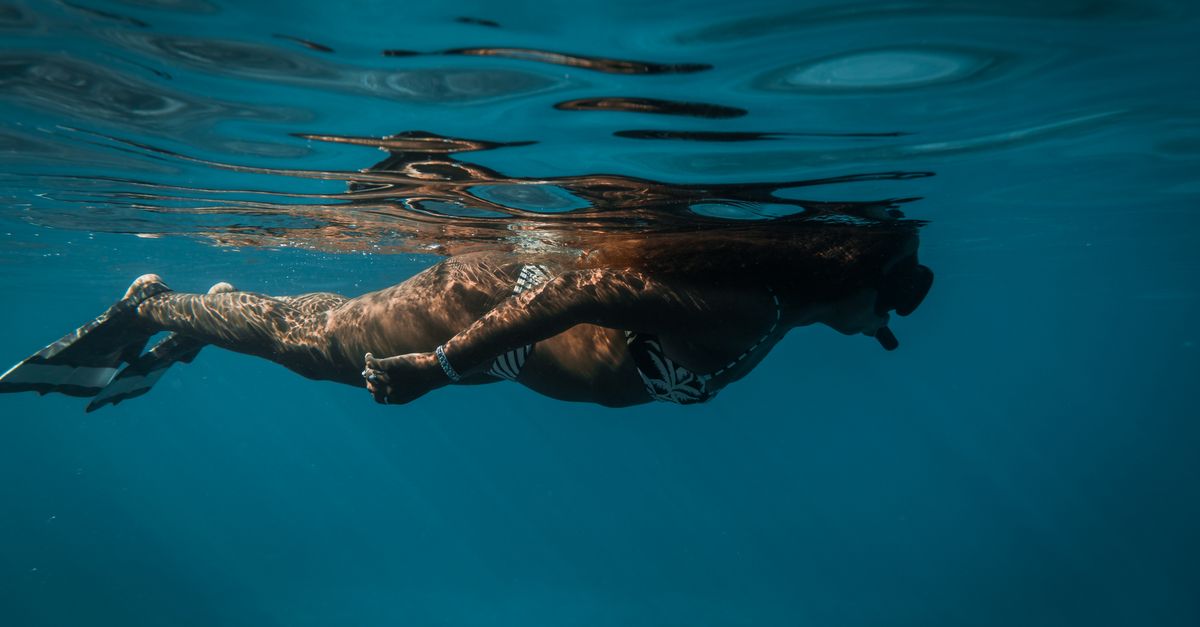
Snorkeling provides an accessible way to explore Andros reefs. You need minimal training compared to scuba diving. Snorkeling requires only a mask, fins, and snorkel. You can snorkel directly from shore or via boat.
Lighthouse Reef near Andros Town offers excellent shore snorkeling. Wade in from the beach and reach coral in minutes. Fish congregate in the shallow water. You will see parrotfish, sergeant majors, and damselfish. The water is only 15 to 30 feet deep.
Cay Sal Bank features some of the shallowest reefs in the area. Snorkelers love this location because no boat is necessary. The reef starts in 5 feet of water and slopes gradually deeper. Tropical fish appear in abundance. Nurse sharks rest on the bottom occasionally.
Small Hope Bay Lodge reef is accessible from the beach directly. The lodge allows non-guests to snorkel if no dives are running. Coral formations create natural swim-throughs. Parrotfish and surgeonfish graze on the reef. The protected bay reduces wave action.
Many dive shops offer snorkeling tours for non-divers. These tours last two to three hours. Guides lead you to productive snorkeling sites. You view the same marine life as divers, just from the surface. Tours cost less than diving.
Bring reef-safe sunscreen to protect coral. Regular sunscreen harms coral ecosystems. Wear a rash guard instead of sunscreen when possible. This protects your skin and the reef. Never touch coral or grab fish.
Safety for Snorkelers
Always snorkel with a buddy. Never go alone into the water. Wear a bright colored snorkel vest for visibility. This helps boat operators see you. Stay in clear water where visibility is good.
Watch for sea urchins and spiny lobster. These creatures have sharp spines. Wear reef shoes to protect your feet. Shuffle your feet to avoid stepping on creatures.
Respect marine life by observing from a distance. Do not chase fish or grab them. Do not ride sea turtles. These animals are protected by law. Violations result in heavy fines.
Dive Schools and Operators
Several professional dive operators serve Andros. These shops maintain safety standards and modern equipment. All instructors hold recognized certifications from PADI, SSI, or similar organizations.
Small Hope Bay Lodge operates the largest dive operation in Andros. This full-service resort includes a dive center. They offer daily diving, certification courses, and special programs. The lodge sits directly on the reef. Guests enjoy unlimited diving. Non-guests can book day dives through their shop.
Andros Island Bonefish Club combines fly-fishing with diving services. They offer guided diving for lodge guests. Their guides know remote reefs that other operators miss. The operation is smaller and more personalized.
Cargill Creek Lodge serves the central part of the island. They run daily diving from their dock. Small group sizes ensure personalized instruction. The lodge can arrange transportation from San Andros Airport.
When selecting a dive shop, verify their certifications. Ask about instructor experience and safety records. Check their equipment maintenance schedules. Reputable shops replace equipment regularly. Request references from past clients.
Most dive shops provide compressed air and nitrox. Ask about availability before your trip. Bring your diving certification card. All operators require proof of certification before diving. Complete a medical form before your first dive.
Booking and Logistics
Book dives through your resort or directly with shops. Advance booking is essential during peak season. December through March fills up quickly. Call or email at least two weeks ahead.
Dive boats depart early in the morning, usually at 7 or 8 AM. Breakfast is provided on most full-day trips. Lunch is included for all-day diving. Bring water and snacks for shorter trips.
The nearest airport is San Andros Airport (SAQ). Regional airlines operate flights from Nassau. Dive shops arrange ground transportation from the airport. Allow time for boat travel to dive sites. Some sites require 30 minutes by boat.
Most operators accept credit cards at resorts. Some small shops prefer cash in Bahamian dollars. Bring US dollars as backup currency. Banks in Andros Town exchange currency.
PRO TIP: Stay at a resort with an attached dive shop if possible. This eliminates transportation hassles. You can wake up and dive without long commutes. Integrated resorts offer package deals that save money.
What You Will See Underwater
Andros reefs host incredible biodiversity. The barrier reef ecosystem supports thousands of species. You will see creatures ranging from tiny nudibranchs to large sharks.
Fish species include groupers, snappers, jacks, and tuna. Large schools of fish often surround divers. Parrotfish graze on coral during the day. Wrasses dart between coral heads. Pufferfish inflate when threatened. Trumpetfish hide among sea grass waiting for prey.
Reef sharks patrol the deeper walls and drop-offs. Caribbean reef sharks are common on wall dives. Nurse sharks rest on the bottom during the day. Lemon sharks hunt in deeper water. Sharks are generally shy and avoid divers. Reef sharks have never caused serious injury to divers in Andros.
Sea turtles appear regularly on reef dives. Green turtles and loggerhead turtles live in Andros waters. Hawksbill turtles visit coral reefs to feed. Watch turtles from a respectful distance. Taking photos is fine as long as you do not touch them.
Coral formations create the reef structure. Brain coral grows massive domes as large as cars. Elkhorn coral branches create fish habitat. Staghorn coral forms dense thickets. Soft corals wave in the current. Sea fans filter plankton from the water.
Invertebrates fill every crevice on the reef. Sea urchins cover many areas in shallow water. Spiny lobsters hide in cracks. Octopuses change color to match their surroundings. Sea stars rest on coral heads. Nudibranchs crawl over sponges hunting smaller prey.
Seasonal Marine Life Changes
Marine life in Andros varies slightly by season. Winter months bring migratory fish species. Wahoo and kingfish hunt in deeper water from December to March. Tuna schools appear during cooler months. Summer brings smaller reef fish species closer to shore.
Spawning events happen at specific times of year. Brain coral spawns once per year in August. Nassau grouper aggregations occur in December and January. These events attract large predators. Ask your guide about seasonal happenings.
Mating season for sea turtles runs from May to October. You may see mating pairs or nesting females on beaches. Do not disturb nesting turtles. Protect these endangered animals for future generations.
Best Time To Dive in Andros
The best months for Andros scuba diving are November through April. This period offers calm seas and excellent visibility. Water temperature stays warm. Weather is predictable with minimal storms. Most divers visit during these months.
November and December mark the start of peak season. The winter storms have ended. Water visibility reaches 100 feet or more. Air temperature is pleasant around 26°C. This is an excellent time to visit.
January, February, and March are peak season months. Weather is most stable during this period. Visibility is consistently excellent. Popular sites are crowded with divers. Book accommodations and dives well in advance.
April offers great conditions with fewer crowds than March. Spring storms have not started yet. Water temperature begins warming. Visibility remains good at 80 to 100 feet. Hotels offer lower rates this month.
May through October brings summer conditions and hurricane season. Heat and humidity increase significantly. Afternoon thunderstorms are common. Visibility drops to 40 to 60 feet. Tropical storms and hurricanes are possible from June through November. Some dive shops close during summer.
Water temperature stays around 26.5°C year-round. This is warm by most standards. Even summer months are warm. A 3mm wetsuit provides adequate protection.
Weather and Sea Conditions
Winter is the dry season in Andros. Rainfall is minimal from November to April. Trade winds blow from the northeast. These winds push water from deeper offshore areas. Better visibility results from this phenomenon. Seas are calmer during winter.
Summer brings afternoon thunderstorms almost daily. These pass quickly but create choppy seas. Visibility decreases from suspended sediment. Heat can be oppressive with high humidity. September is historically the wettest month.
Hurricane season officially runs from June through November. Direct hits on Andros are rare. Small storms and tropical depressions are more common. If a hurricane threatens, diving stops and shops close. Travel insurance is recommended during summer months.
PRO TIP: Visit in April or May for the best balance of good conditions and fewer crowds. You avoid the peak season rush while enjoying excellent visibility and calm seas. Hotels offer discounted rates during these shoulder season months.
Frequently Asked Questions
Do I Need To Be Certified To Dive in Andros?
Yes, all dive operators require proof of current certification. You must carry a valid diving certification card from PADI, SSI, NAUI, or a recognized organization. If you are not certified, take a Discover Scuba course or complete an Open Water certification. Discover Scuba takes one day and allows you to dive with an instructor. Open Water certification takes three to four days and allows you to dive independently with a buddy. All dive shops in Andros offer certification courses year-round. Non-certified snorkelers can explore reefs from the surface without restrictions.
What Is the Cost of Diving in Andros?
Dive costs vary based on location and operator. Without exact current pricing, I recommend contacting dive shops directly for quotes. Factors affecting cost include fuel prices, equipment rental, and guide services. Bundle packages through resorts often provide better value than daily bookings. Certification courses cost more than recreational dives. Snorkeling tours cost significantly less than scuba dives. Many resorts offer unlimited diving packages that reduce per-dive costs. Call ahead to compare prices among different operators and resorts.
How Far Is San Andros Airport From Dive Sites?
San Andros Airport (SAQ) sits in the northern part of the island. Travel time to dive sites ranges from 30 minutes to two hours by car. Northern reefs are closest to the airport, requiring 30 to 45 minutes. Central and southern dive sites require longer drives and boat travel. Most resorts arrange ground transportation from the airport to their properties. Dive shops handle all boat transportation to specific sites. Plan to arrive at your hotel the day before your first dive. This allows time for equipment checks and medical forms. Jet lag will not affect your diving on arrival day.
What Marine Life Should I Avoid While Diving?
Sea urchins are dangerous if you step on them or grab them. Their spines are sharp and cause painful wounds. Wear reef shoes and watch where you place your hands. Stingrays bury themselves in sand and have venomous spines. Shuffle your feet to avoid stepping on hidden rays. Fire coral stings if you brush against it. Its appearance is similar to branching coral but lighter in color. Sharks are generally harmless but never pursue them. Moray eels hide in crevices and bite if provoked. Never stick your hand in reef crevices. Respect all marine animals by maintaining distance.
Is Andros Scuba Diving Safe for Beginners?
Yes, Andros is excellent for beginning divers. Shallow reef sites provide protected learning environments. Professional instructors guide beginners through fundamental skills. Equipment is regularly maintained by reputable operators. The barrier reef structure protects divers from strong currents in many areas. Visibility is excellent, which builds confidence for new divers. Start with Discover Scuba or certification courses at established shops. Choose shallow sites under 40 feet for your first dives. Always dive with instructors or experienced buddies. Follow all safety rules and your diving experience will be enjoyable and safe.